La Dolce Lentezza
Why Italy Is a Country You Do Alone, and Slowly
The sweet slowness.
Twenty two days, north to south. From the pale spires of the Dolomites to the trulli of Puglia. A self drive route, a few of our favourite hotels, the places we send clients to season after season, and a quiet case for giving Italy your whole holiday instead of a slice of it.
After speaking with our partners and locals in Italy for so many years, I have picked up a few Italian phrases. Honestly, these are the only ones I really know. I have sprinkled them through the piece with small translations underneath, in case they help.
The first Italy itinerary I ever designed was somewhere around 2014 or 2015. I genuinely cannot remember the exact year, only that the brief was eight days, Florence, Rome, the Amalfi Coast, and a regrettable detour to Pisa.
The clients came back polite but tired. The feedback was kind. The photos were nice. And yet something was quietly missing, that look you see in people who have actually fallen for a place. It took me years of rewriting itineraries, hundreds of conversations with hotel owners in Ortisei, drivers in Rome, nonnas in Puglia, sommeliers in Tuscany, and clients who came back and told me the truth about what worked and what didn't, before I understood what every Italian already knows in their bones.
Italia non si visita. Si vive.
(Italy is not visited. It is lived.)
You cannot live something in eight days while also trying to squeeze in Paris, Switzerland, and a Greek island on the side. Many of my early clients tried. It does not work.
Over the last decade of designing trips here, quite literally rewriting Italy itineraries again and again, region by region, season by season, I have arrived at one stubborn conviction. Italy deserves your whole holiday. Not a slice of it. The Dolomites do not feel like Tuscany. Tuscany does not feel like Puglia. Rome does not feel like anywhere on earth. Each region asks for time, and each region rewards time differently.
What follows is the trip I would design for someone I cared about, and the one I now build most often for our clients. Twenty two nights, a self drive route for those who love the freedom of the open road, entering through Venice and flying out from Bari. You ride Italy from the alpine north all the way down into the sun warmed heel, and never have to backtrack a single kilometre.
I will tell you where to base, why, what to eat, where the light is best in the evenings, what driving rules will quietly catch you out, and the small, unfashionable choices that turn a nice trip into the one our clients write to us about months later.
Andiamo.
(Let's go.)
A Traveller's Company. That Is the Whole Idea.
When we started Miles and Memories, we made one quiet promise to ourselves. We would never become a commercial itinerary factory. We did not want the luxury label, and we did not want the budget label either. We wanted something simpler. To be a traveller's company, run by travellers, for people who actually love travelling.
What that means in practice is that we can put you in a small three star pensione in a Tuscan village, run by a family who will pour you wine at midnight, and we'll still build a trip around it that you remember forever. Or we can put you in the St Regis Roma, the Belmond Hotel Caruso in Ravello, an Aman, a Rosewood, a Cavalieri Waldorf Astoria, and we will still make sure you eat at the right osteria down the lane, instead of just dining in the hotel restaurant every night.
The hotel category is yours to choose. The local soul of the trip is ours to deliver. That is the Miles and Memories promise.
Why Slow Travel Matters More in Italy Than Anywhere Else
Italy is built around an idea most of the modern world has forgotten. That lunch is not a thing you do between meetings. That an espresso is meant to be drunk standing at a bar in three minutes flat. That a piazza only reveals itself to people who sit in it for an hour without checking their phone.
A rushed Italy itinerary doesn't just tire you out. It fundamentally misses the point. You can technically tick off the Colosseum, the Duomo, and Pompeii in a week, but you will have done the equivalent of skimming the photographs in a book without ever reading the prose.
Slow travel here means three nights in places where most people give one. It means choosing one good base and not three. It means saying yes to the long lunch even when there's still so much to see. It means waking up early, not for an alarm to drive somewhere, but to walk through Trastevere before the cafés open and smell fresh bread coming out of the ovens.
The best souvenir from Italy is the changed pulse you bring home. You can't buy that on a tight schedule.
This is why every itinerary that follows is built around breathing room. Mornings without alarms wherever possible. Evenings kept easy and free, so you can walk past three restaurants and choose the fourth because something in the kitchen smells right. We give you the names of the trattorias and bacari and gelaterias our on ground team quietly trusts, and we tell you which neighbourhoods are best for an evening passeggiata. The night itself stays yours.
Twenty Two Nights, North to South. A Self Drive Route.
Arrive in Venice. Climb into the Dolomites. Drift through Lake Como and Bologna. Surrender to Florence and Tuscany. Stand still in Rome. Sit on the cliffs above the Amalfi. End in the warm, white washed south, with one last Neapolitan pizza, a slow drive into Puglia, a night in Matera. Fly out from Bari, properly Italianed.
Venice
You land here, and Italy begins as a whisper rather than a shout. One night is deliberate. Venice rewards a single, unhurried evening more than three rushed days. You drop your bags, walk out as the day trippers leave, and watch the city become itself again.
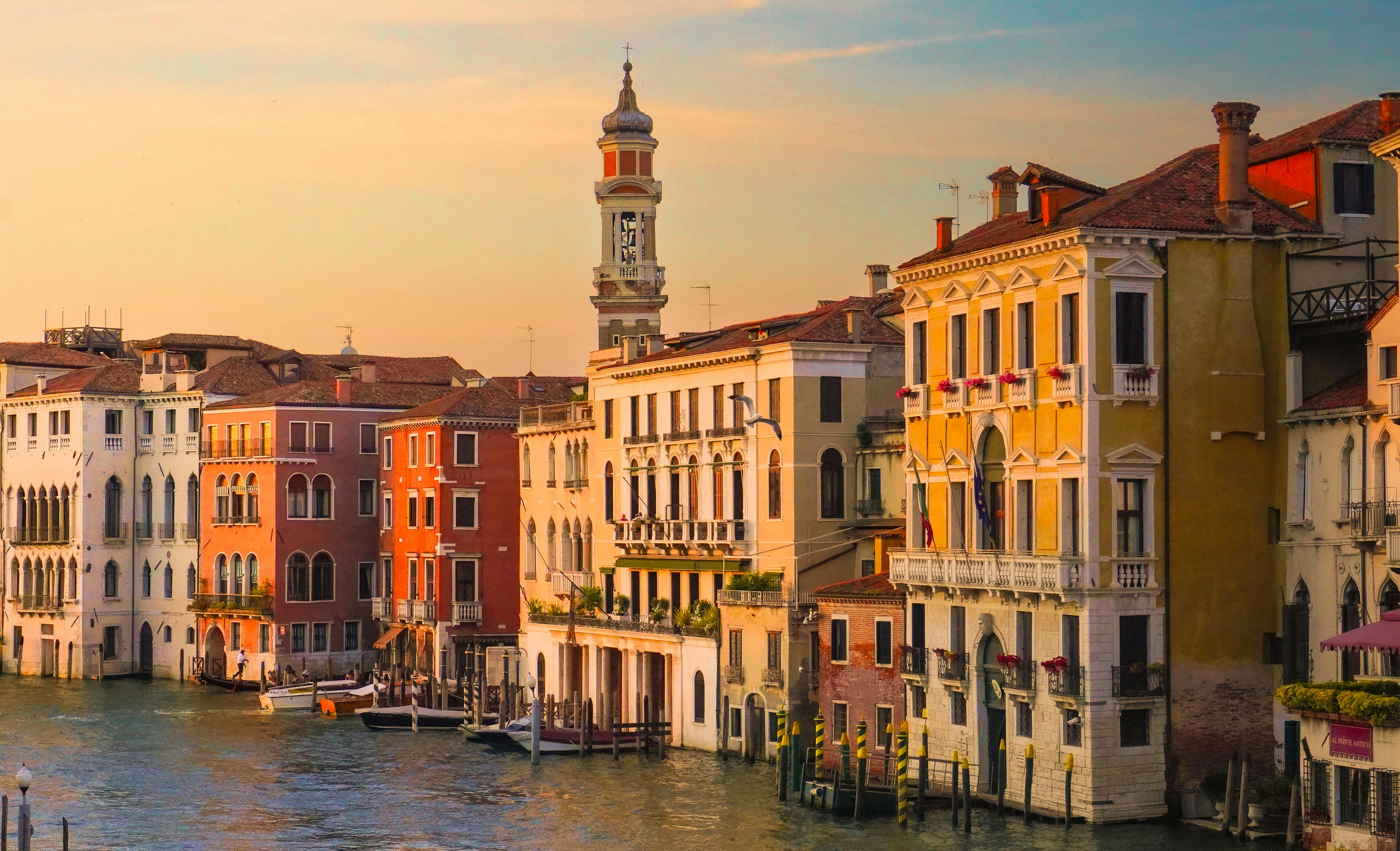
A small handpicked hotel in Cannaregio or Dorsoduro, never near San Marco. These are the quiet, residential sestieri where Venetians actually live. You'll wake to the sound of footsteps on stone, not roller suitcases.
Cicchetti, Venice's answer to tapas. One bite plates of bacalà mantecato (whipped cod), sarde in saor (sweet and sour sardines), tiny meatballs, half a hard boiled egg with anchovy. You stand at a counter, drink an ombra (a small glass of wine), eat two bites, pay three euros, and move to the next bar. Three or four bars makes a perfect Venetian dinner. Cantina Do Mori. Al Timon. Osteria al Squero with a view of a working gondola yard. We give you the list, you pick the night.
The walk along Fondamenta della Misericordia in Cannaregio is where locals do their evening passeggiata, lined with bacari and small wine bars. Campo Santa Margherita in Dorsoduro is younger, livelier, full of students and aperitivo crowds. Skip the area around San Marco for dinner, it gets quiet and overpriced after the day trippers leave.
The Zattere promenade, looking across to Giudecca, is the most romantic at golden hour. Punta della Dogana, where the Grand Canal meets the lagoon, gives you the postcard view. The rooftop of T Fondaco dei Tedeschi (free, but you must reserve a slot) has a 360 degree view that catches the Rialto in the last light.
Venice itself is car free. Pick up your rental from Mestre or Piazzale Roma the morning you leave. Park at Tronchetto if arriving by car. There is no ZTL inside Venice because there is no traffic at all.
Cortina d'Ampezzo
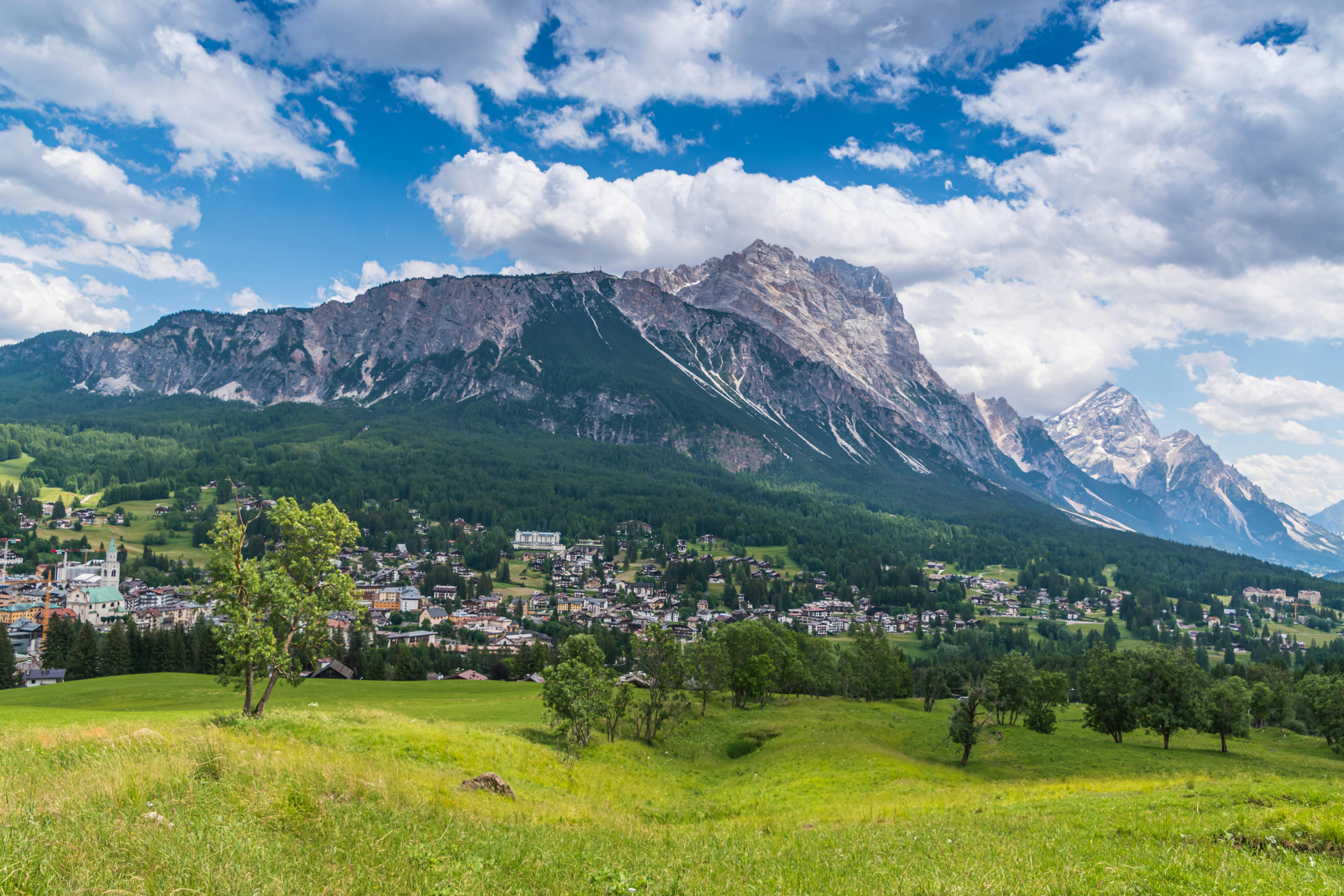
Drive: Venice (Mestre) to Cortina, about 160 km, 2.5 hours. The road climbs gently through the Veneto plain and into the pale, jagged peaks of the Eastern Dolomites. Cortina is where Italy turns alpine. Quietly elegant since the 1956 Winter Olympics, with stone churches, larch forests, and air that feels like a different country entirely. Three nights here lets you breathe in altitude before going higher, and gives you full days at Tre Cime, Lago di Sorapis, and Lago di Braies without any of them feeling rushed.
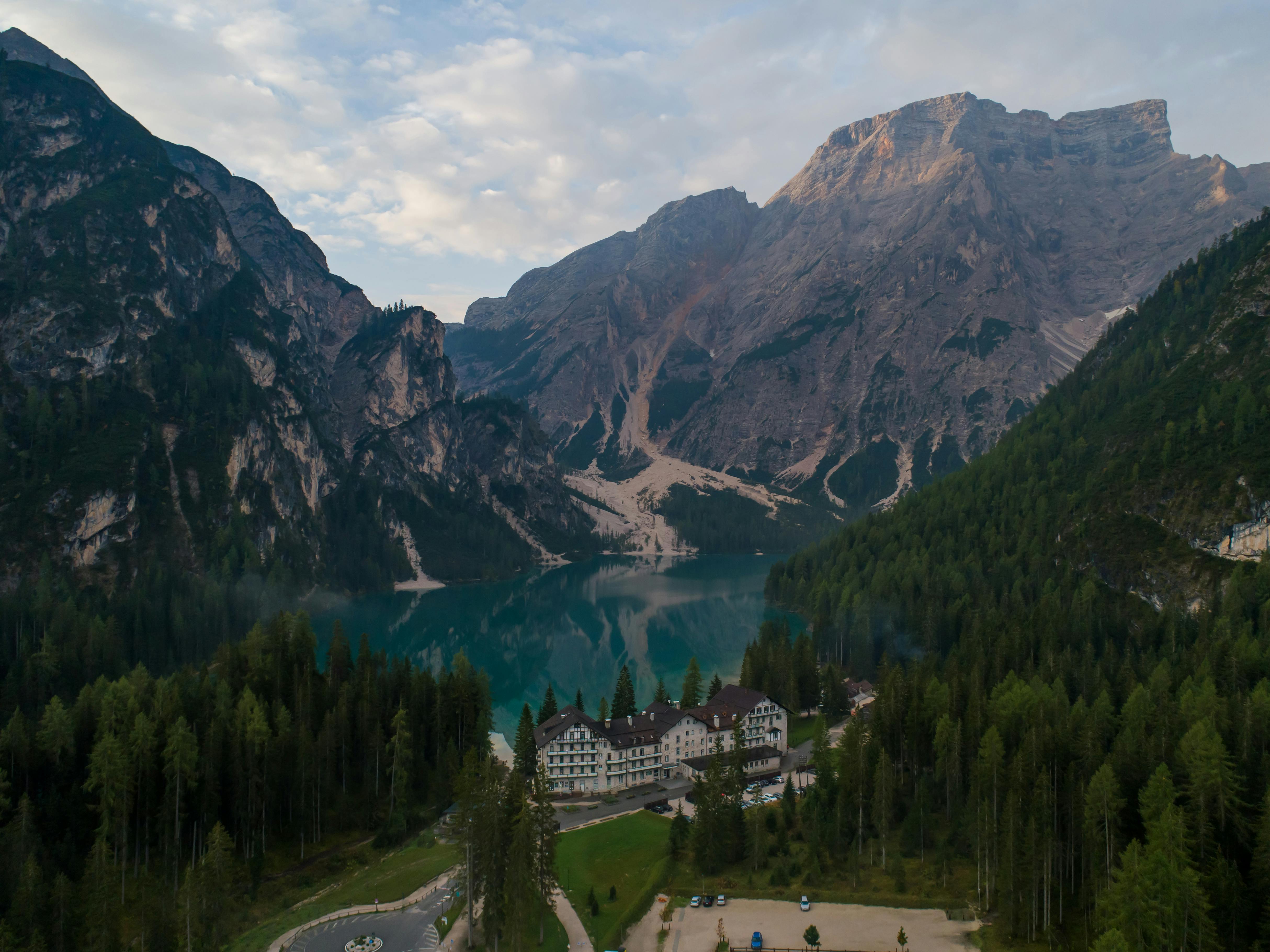
The most photographed lake in the Dolomites, and rightly so. Emerald green water in a bowl of pale stone peaks. Arrive before 8 AM (the road is access controlled in summer, you must book parking in advance, or come early). Rent one of the wooden rowboats from the boathouse, about 35 euros for half an hour. Row to the centre of the lake, stop, and just sit. The silence is the experience. Drive: Cortina to Braies, about 50 km, 1 hour.
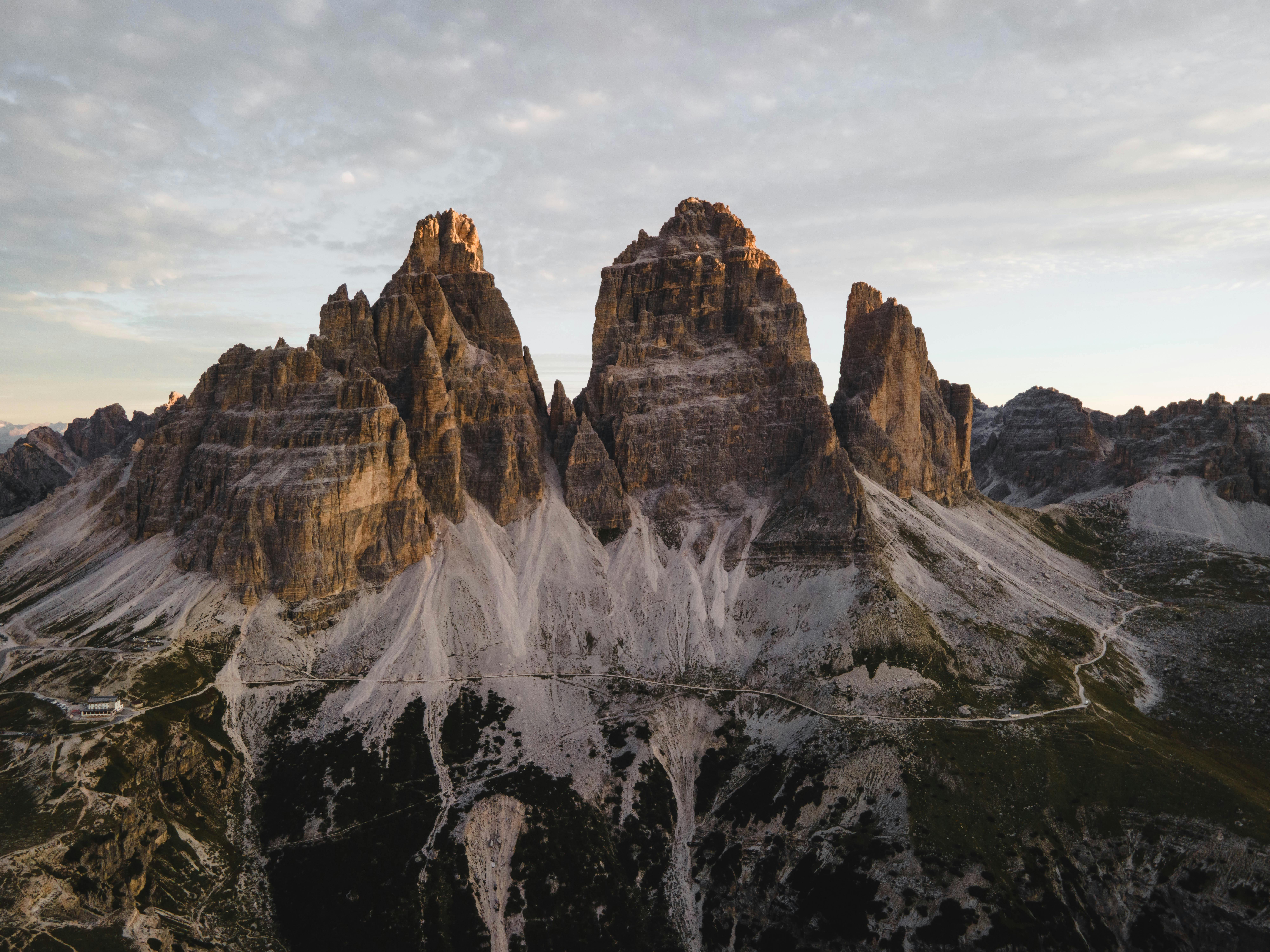
The three peaks that gave the Dolomites their international fame. Drive to Rifugio Auronzo (the road has a toll), then walk the famous loop, about 10 km, mostly flat with one gentle climb. Stop at Rifugio Locatelli for canederli (bread dumplings in broth) with the three peaks framed in the doorway. Drive: Cortina to Rifugio Auronzo, about 35 km, 1 hour.
A turquoise alpine tarn that looks more Caribbean than alpine, reached by a moderate 3 hour return hike from Passo Tre Croci, twenty minutes from Cortina. Pack a picnic from the Cooperativa di Cortina in town.
Cortina cooks like the Tyrol, not like Italy. Canederli, speck, polenta with venison ragù, apple strudel that is genuinely better than anything in Vienna. Sit down at a rifugio at 1 PM and order whatever the waiter recommends. That is the rule here.
The terrace at Rifugio Averau, reached by the Cinque Torri chairlift, has the most cinematic sunset in the Dolomites. Lago di Misurina turns molten gold at the last hour. The walking path above Cortina to Pocol gives you a slow, golden view back across the bowl of peaks.
Ortisei
Drive: Cortina to Ortisei, about 110 km, 2.5 hours over the Passo Falzarego and Passo Gardena. One of the most beautiful drives in Europe. Ortisei is the heart of the Dolomites for me. A pedestrian centre, wooden carved figures in every shop window, three cable cars that lift you to entirely different worlds in fifteen minutes each.
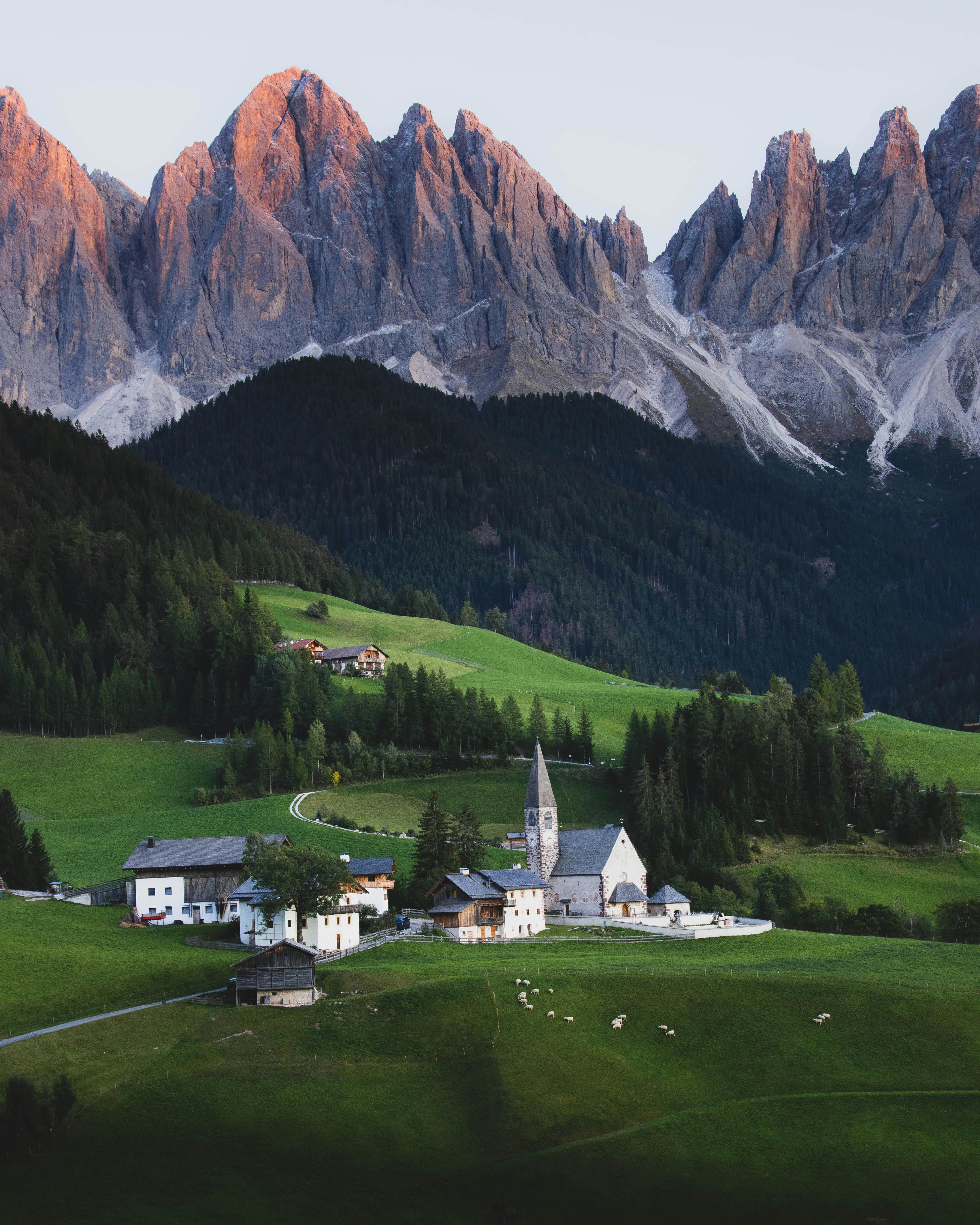
Take the Furnes Seceda cable car from Ortisei. At 2,500 metres, you step out onto a grassy ridge with the Odle peaks behind you like a row of stone teeth. Walk the ridge for an hour, easy, mostly flat, and stop at Baita Sofie or Rifugio Firenze for lunch. This is the most photographed view in the Dolomites for a reason.
Europe's largest alpine meadow, and you reach it by the Mont Sëuc cable car straight from the centre of Ortisei. Important driving note. The road up to Alpe di Siusi is closed to private cars between 9 AM and 5 PM in summer. Take the cable car. Once up, rent an e bike or simply walk. The meadow rolls on for kilometres with the Sassolungo massif rising beside you.
The valley with the chapel. Santa Maddalena, framed by the Odle peaks, you've seen it on a thousand calendars. Drive: Ortisei to Santa Maddalena, about 30 km, 45 minutes. Walk the panoramic trail above the village. Stop at a maso (an alpine farm) for fresh pressed apple juice and speck made in the smokehouse out back.
South Tyrolean food is its own universe. Schlutzkrapfen (spinach and ricotta ravioli with browned butter and sage). Knödel, three ways. Tirolese gröstl (a hash of leftover roast and potatoes, topped with a fried egg). Apfelstrudel served warm with vanilla sauce. Try Trattoria Ladina in Ortisei. Wood panelled, family run, and the kind of place where the menu is the same as it was thirty years ago.
Seceda at the last lift down (around 6 PM in summer), the Odle peaks go pink in a way that's hard to describe. The Resciesa funicular from Ortisei drops you onto a quiet alpine plateau perfect for sunset picnics. And honestly, the terrace of your hotel with a glass of Lagrein in hand is sometimes the right answer.
From 2024, the Dolomites have introduced a low emission ZTL on certain high passes (Pordoi, Sella, Gardena, Falzarego). In peak summer some passes require a booking or a small fee. We will brief you with the latest rules a week before your trip, they are still being calibrated.
Extend Into the Italian Alps
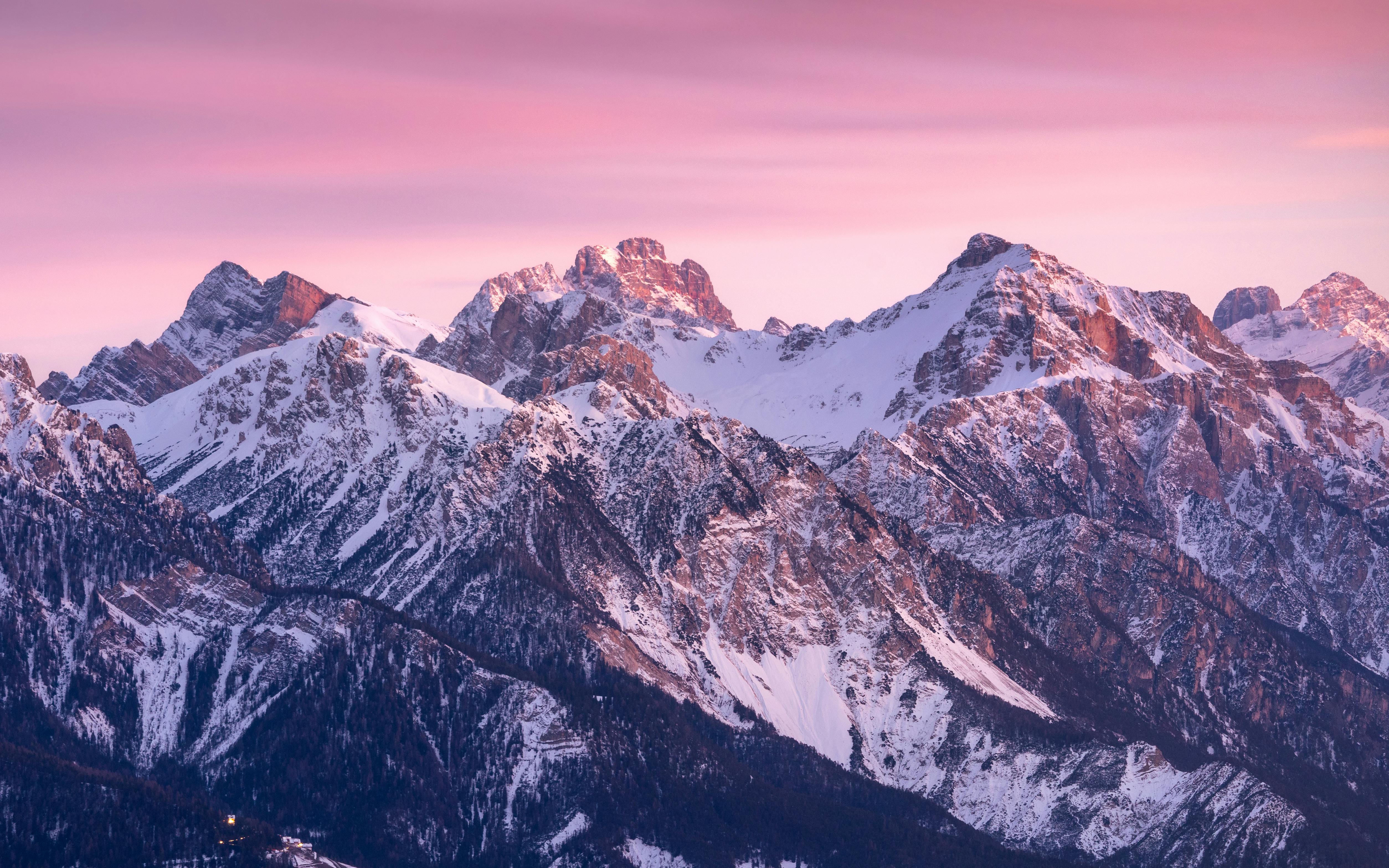
If you can find an extra one or two days, the Italian Alps deserve them. The road trip across the Dolomites is, quite honestly, one of the most underrated drives in the world. Pale stone peaks, alpine lakes the colour of glacial meltwater, valleys where the bells of grazing cattle are the loudest sound for hours at a time.
A few hotels I keep coming back to, when clients ask for somewhere truly special in the Dolomites:
- Chalet Al Foss in Val di Sole, the kind of place I send couples looking for a romantic, quiet stay tucked into the pines.
- Granvara Relais above Selva di Val Gardena, family run, classic alpine soul, with one of the great views in the region.
- Rosa Alpina, an Aman Partner Hotel in San Cassiano, for the kind of stay that becomes the trip itself.
- FORESTIS above Bressanone, all glass and timber, hanging off the side of a forest at 1,800 metres.
- Miramonti Boutique Hotel above Merano, panoramic, intimate, the kind of place you don't want to leave.
Tell us if this calls to you, and we'll fold an extra night or two into the front of your trip.
A small invitation, halfway through.
If this is starting to feel like the trip you actually want, let's talk. A free, no pressure call. Just a friendly chat about your dates, your pace, and what you're really hoping Italy will feel like.
Schedule a Call on CalendlyNo cold calling. No sales pitch. Just two travellers, talking.
Milan
Drive: Ortisei to Milan, about 330 km, 4 hours via Bolzano and Verona. Milan is your strategic base for two of the best day trips in northern Italy. Three nights gives you one day for Milan itself (the Duomo, the Galleria, an aperitivo in Brera at 6 PM), one day for Lake Como, and one day for Bologna.
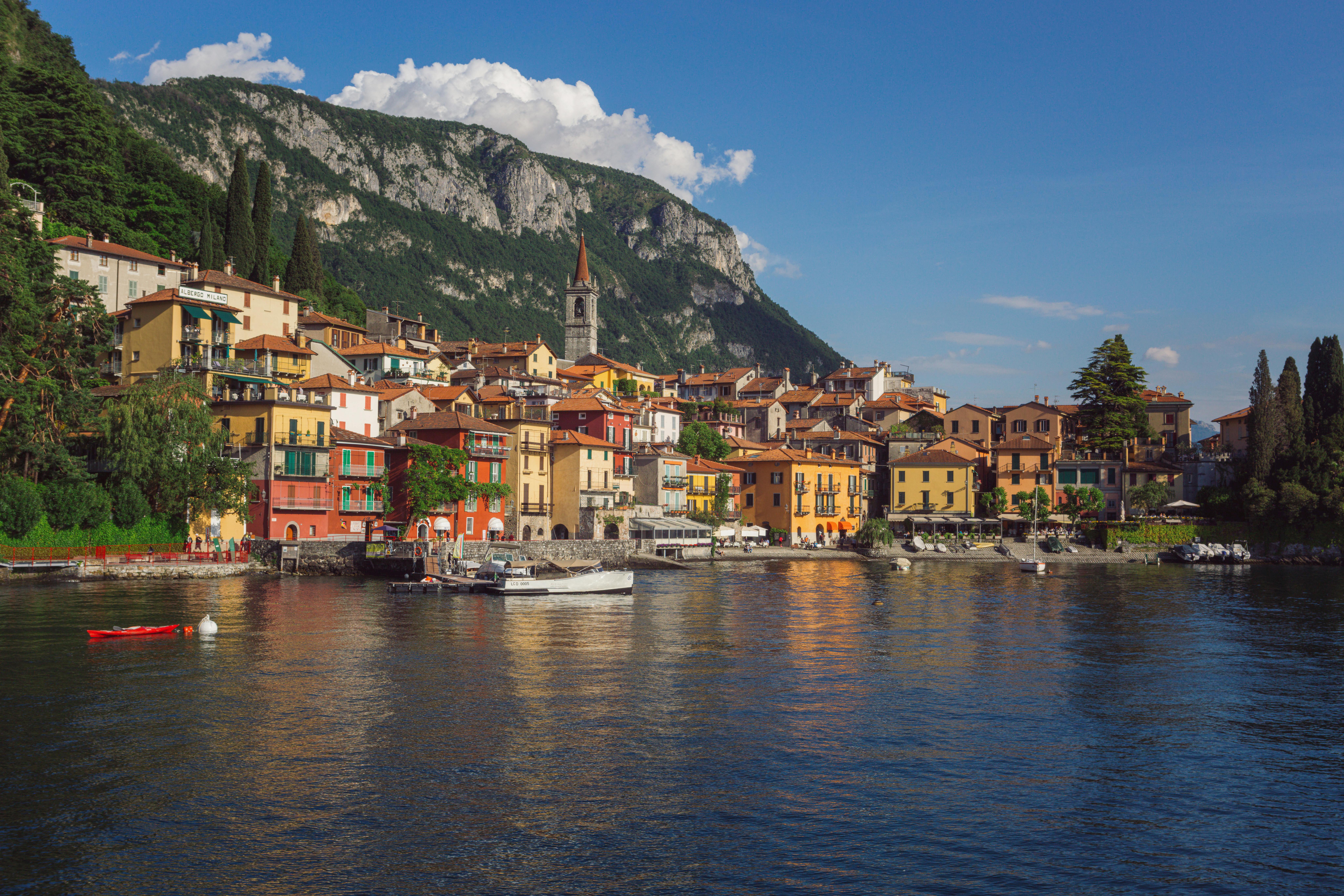
Drive to Varenna (about 85 km, 1.5 hours), park, and take the ferry across to Bellagio. Long lunch at Ristorante Bilacus. Pasta with porcini, lake trout, the works. Walk the steep cobbled lanes of Bellagio, find the gelateria the locals queue at, and take a small wooden boat ride on the lake at 5 PM, when the light goes long and gold. Drive back to Milan in the evening.
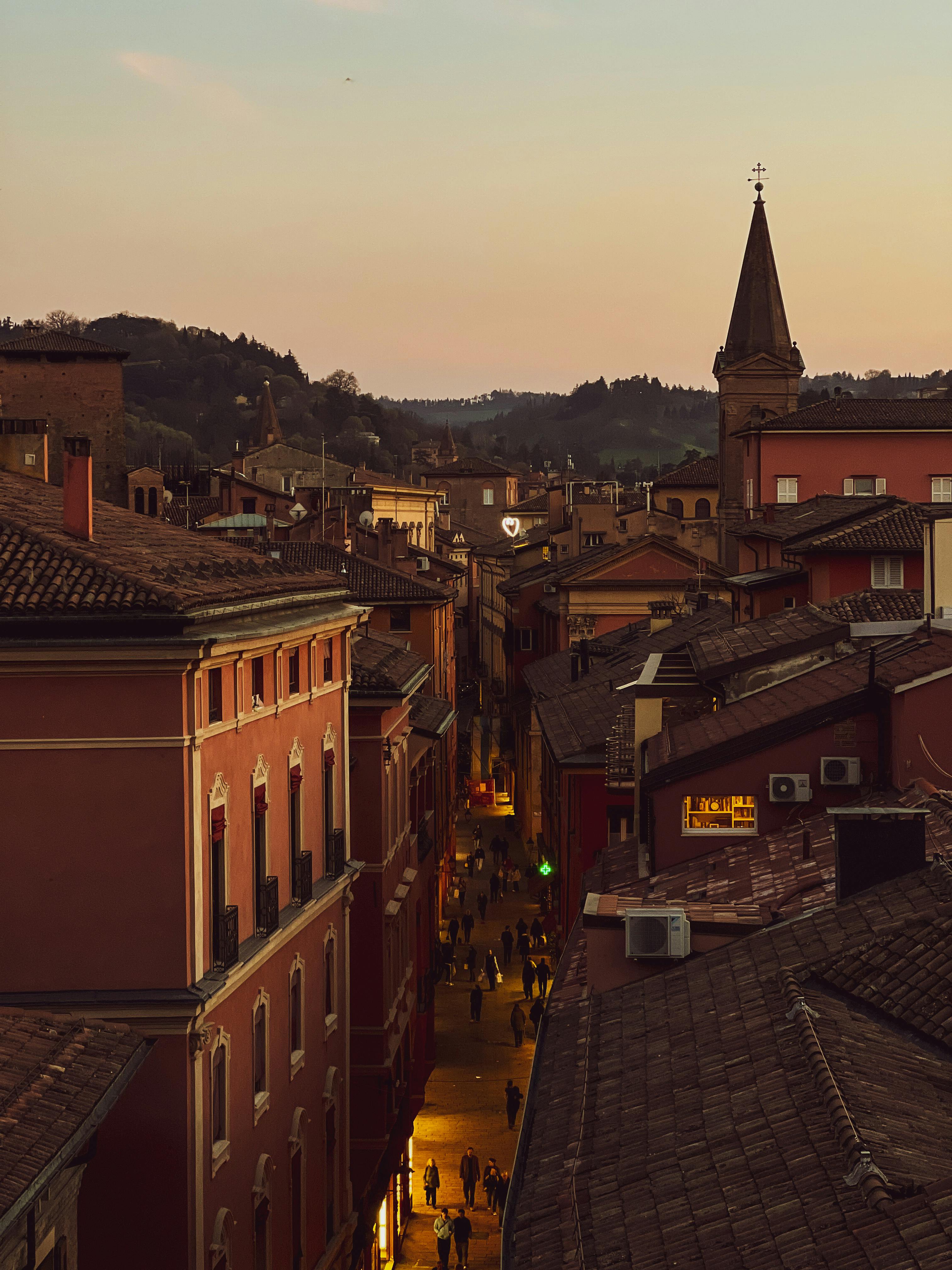
Take the high speed train from Milano Centrale (1 hour, more efficient than driving). Bologna is the food capital of Italy. Home of tagliatelle al ragù, mortadella, tortellini in brodo. Walk the porticos, climb the Asinelli Tower, eat at Trattoria Anna Maria where the pasta is rolled in front of you. This is the day people remember most.
(Bologna is nicknamed la grassa, la dotta, la rossa, meaning the fat, the learned, the red. After one meal there, you'll understand at least the first part.)
Risotto alla milanese (saffron, bone marrow). Cotoletta alla milanese, a breaded veal cutlet that is older than Vienna's schnitzel and more honest. Aperitivo in Brera at 6 PM is a religion. Order a Negroni Sbagliato or a Campari Spritz, and the small plates that come with it are basically dinner.
Brera is the classic. Cobbled, candlelit, wine bars and small trattorias. Navigli, along the canals, is younger and louder, the place for a long aperitivo crawl on a warm night. Isola is where Milanese creatives go now, less polished, more real. Skip Duomo for dinner, it empties out and feels strange after dark.
Central Milan is Area C, a paid congestion zone, active 7:30 AM to 7:30 PM weekdays. We always book hotels just outside, with parking included. Do not drive into the centre with a rental car unless you want to inherit a stack of fines that arrive in the post six months later.
Florence
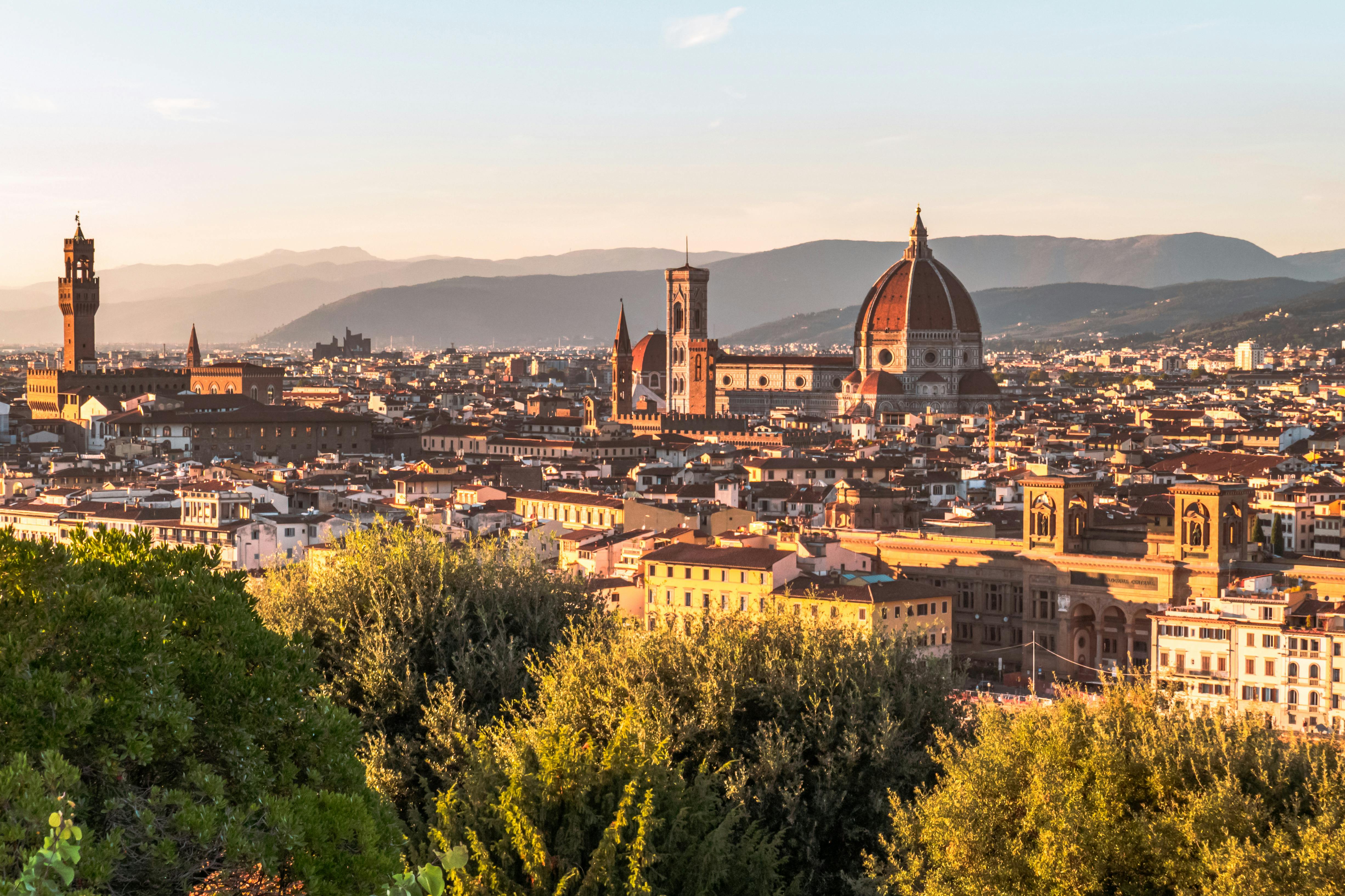
Drive: Milan to Florence, about 300 km, 3.5 hours. One night in Florence, but make it count. The Duomo at first light before the queues. A quiet aperitivo on a rooftop. Dinner at a trattoria where the menu is in Italian only and the bread is still warm. Florence is a city that gives more to those who arrive willing to walk slowly.
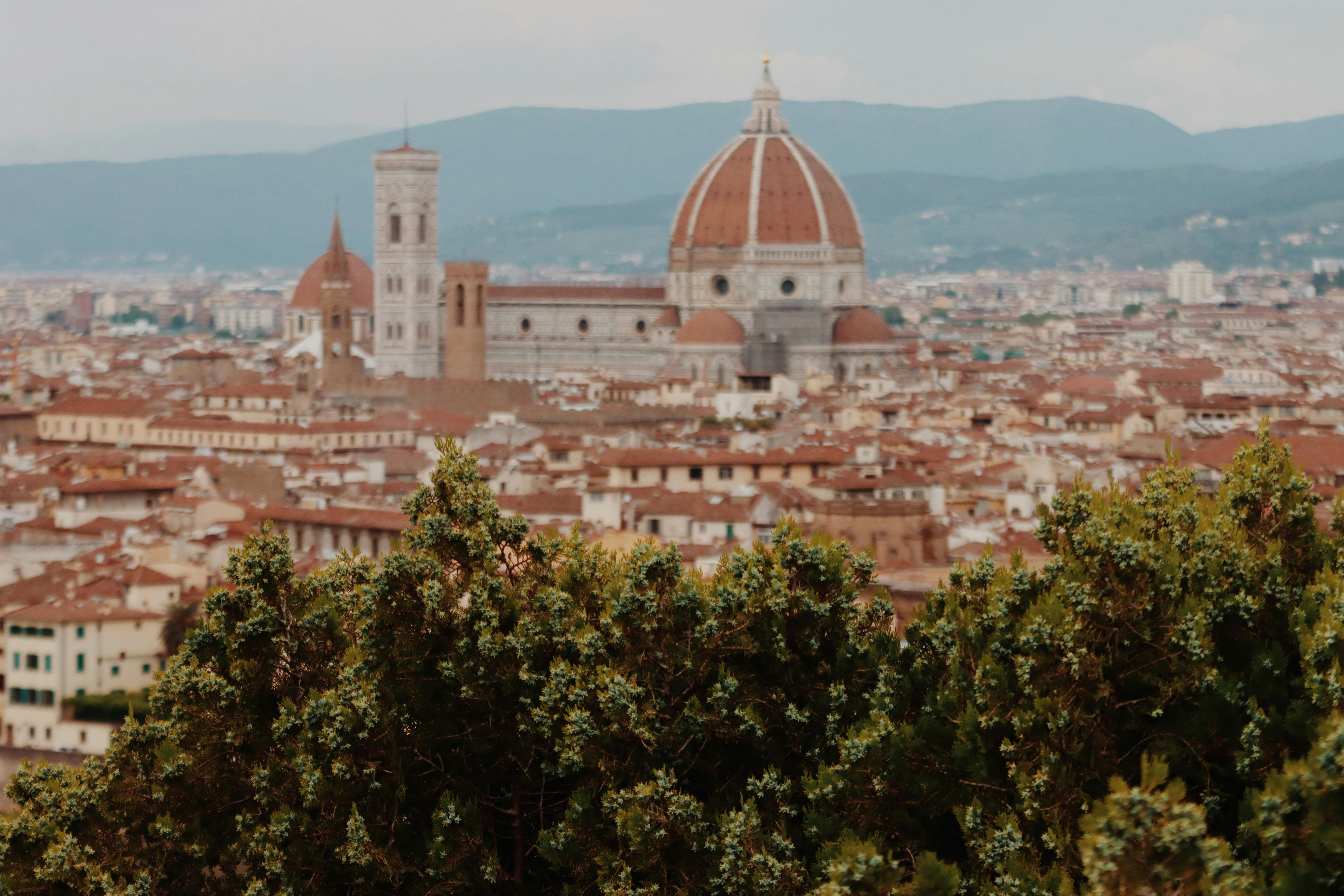
Piazzale Michelangelo is the most famous, and worth it. Walk up at 7 PM in summer, 5 PM in autumn. The whole city lays itself out below. The terrace of San Miniato al Monte, just a short walk further up, is quieter and arguably more beautiful. The Bardini Gardens give you a private feeling sunset framed by wisteria and rose.
Lampredotto from a tripe cart at Mercato Centrale (yes, really, it's the city's signature street food). Bistecca alla fiorentina at Trattoria Mario, lunch only, no reservations, expect a queue. Schiacciata sandwiches at All'Antico Vinaio, order one with finocchiona and pecorino.
The Oltrarno, the side of the river across from the Duomo, is where Florentines eat. Santo Spirito square is the heart of it, full of small osterie, wine bars, and a constant low hum of conversation. Borgo San Frediano nearby is similar, slightly quieter. Avoid the streets right around the Duomo for dinner, those are tourist menus territory.
Florence has one of Italy's strictest historic centre ZTLs (active Mon to Fri 7:30 AM to 8 PM). We park your car at a partner garage outside the centre and walk you in. Driving into the ZTL with a rental car can cost 80 to 335 euros in fines per entry, and they reach you six months later, with a rental company admin fee on top.
Siena or San Gimignano
Drive: Florence to Siena, about 75 km, 1.25 hours. Or to San Gimignano, about 60 km, 1 hour. A countryside night in Tuscany is non negotiable. Siena for the medieval city itself and the dramatic Piazza del Campo. San Gimignano for the towers and the golden light on stone. Either way, you wake up to vines, eat slowly under an olive tree, and finally understand why people give up their old lives to move here.
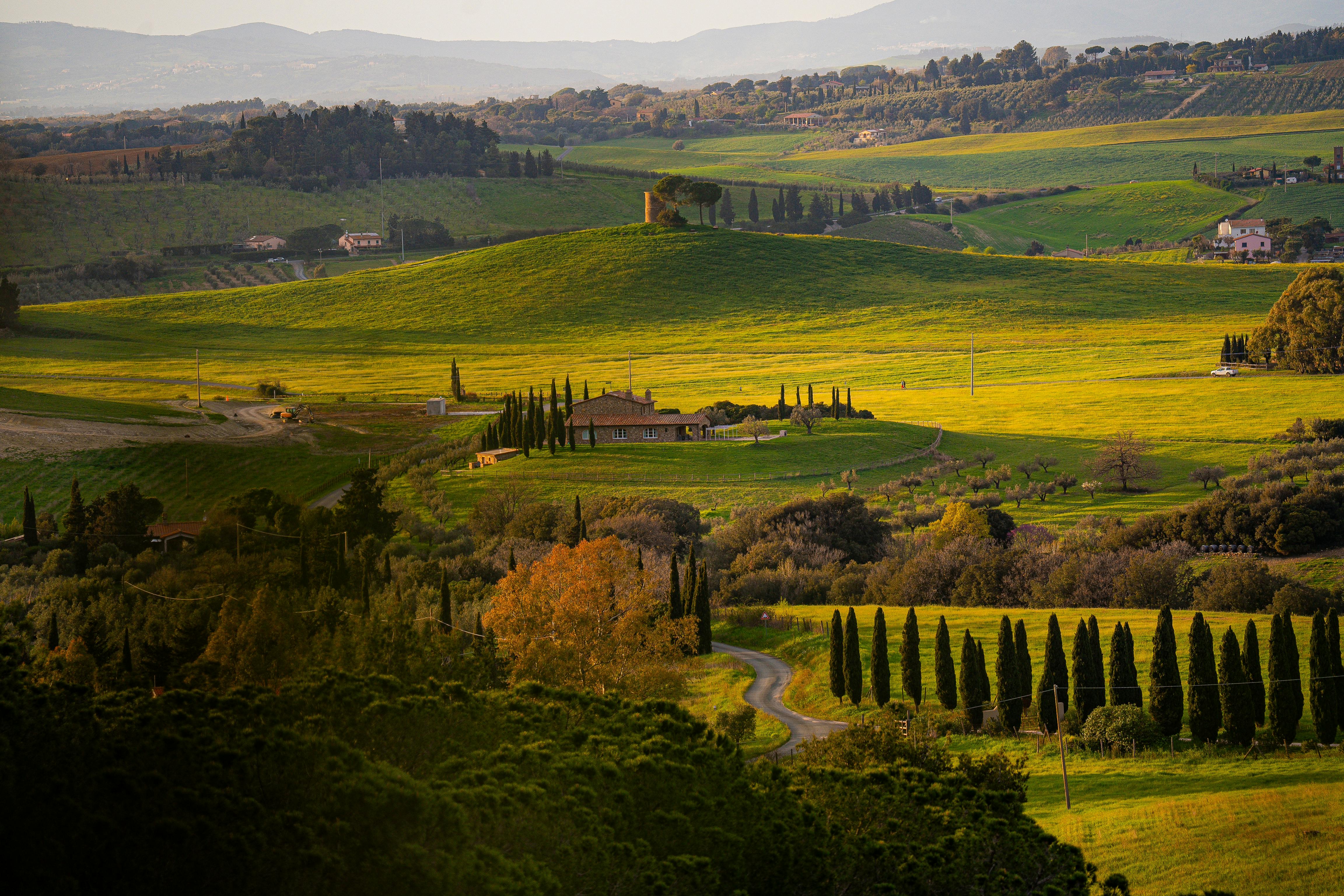
A converted farmhouse, an agriturismo, somewhere just outside the medieval walls. Cypress lined drive, a pool overlooking the valley, breakfast on a stone terrace. We have a shortlist of about six properties we trust completely. The right one for you depends on the season and your pace.
The famous winding road of cypresses near San Quirico d'Orcia. Drive there for the last hour of light, park, and just walk. Piazza del Campo in Siena at golden hour, with the Torre del Mangia casting its long shadow across the shell shaped square. The walls of San Gimignano looking out over the vineyards. This is the Tuscany of every painting you have ever loved.
Pici cacio e pepe (fat hand rolled spaghetti, sheep's cheese, black pepper). Ribollita, a thick winter soup of bread, beans, and cavolo nero. Bistecca alla fiorentina if you're a meat eater. A glass of Brunello di Montalcino at sunset, on a terrace, with someone you love. That last one is the actual itinerary.
Rome
Drive: Siena to Rome, about 230 km, 2.75 hours. The eternal city, and three nights to do it justice. One day for Rome's historic core. One day for Vatican City and Trastevere. One full day out, Tivoli's Villa d'Este in the morning, Ostia Antica's ancient ruins in the afternoon. The Pompeii most travellers never bother to see.
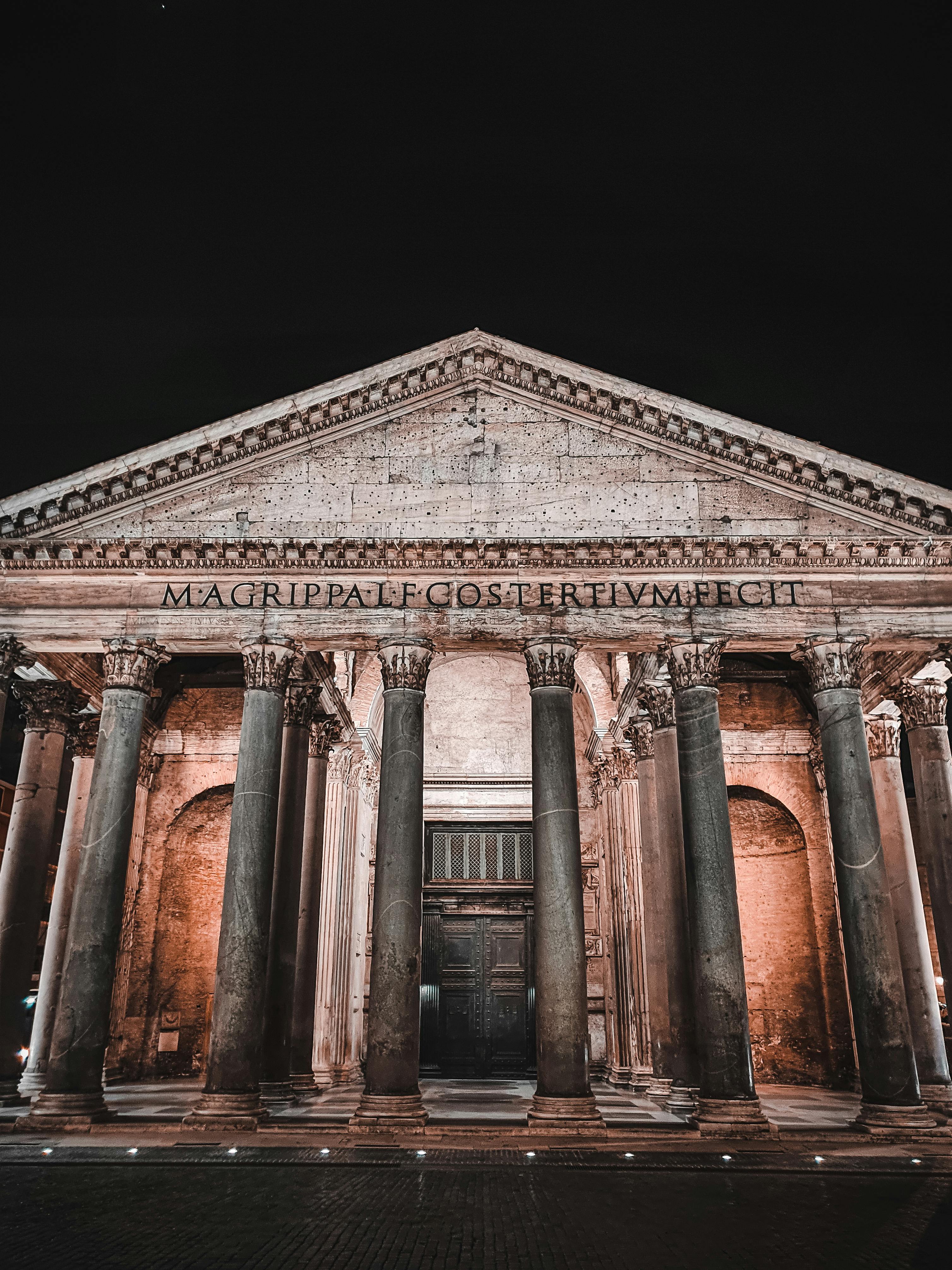
Rome is a vast city, but Trastevere is a village inside it. Cobbled lanes, ivy on stone, trattorias with checkered tablecloths, and a slower pulse than the historic centre across the river. From here you walk to Campo de' Fiori in 15 minutes, but you also come home each night to a neighbourhood that still feels Roman. Stay in a small boutique hotel here and walk, walk, walk.
Our clients have stayed at the St Regis Roma and absolutely loved it. Palazzo Manfredi, with its rooftop view of the Colosseum at breakfast, is one of my personal favourites. The Rome Cavalieri, A Waldorf Astoria Hotel, sits on a hilltop above the city with one of the great pools and gardens of Italy, a different kind of Rome stay if you want air and quiet. We are happy to design around any of these, or build the trip around a small boutique in Trastevere if you want something more intimate.
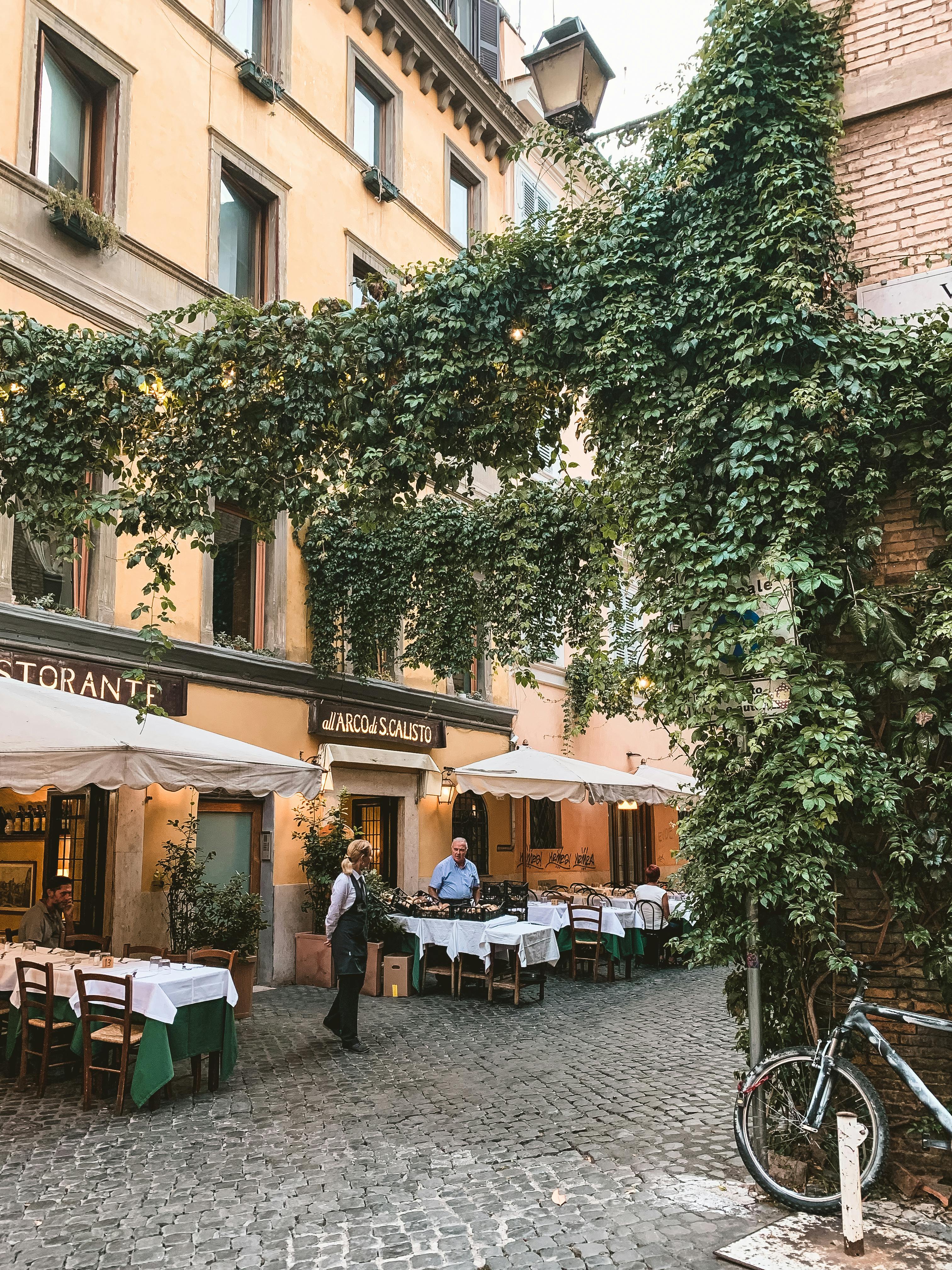
Vatican Museums and St Peter's first thing in the morning (early entry, before the crowds). Walk back through Borgo Pio to Castel Sant'Angelo, cross the river, and spend the afternoon in Trastevere. A proper food tasting walk, stopping for supplì (fried rice balls), trapizzino (a stuffed pizza pocket), pizza al taglio, and a glass of Frascati at a tiny enoteca. This is how you taste Rome.
Drive: Rome to Tivoli, about 30 km, 45 min. Villa d'Este in the morning. Renaissance gardens with five hundred fountains. Lunch in Tivoli town. Then drive to Ostia Antica, about 50 km, the ancient port city of Rome. It is what most travellers expect Pompeii to be. Vast, walkable, full of mosaics, and gloriously empty. Most people skip it. They are wrong.
Cacio e pepe. Carbonara (no cream, ever, that's a sin here). Saltimbocca alla romana. Carciofi alla giudia in the Jewish Ghetto. Gelato at Fatamorgana, never near the Trevi. The four classic Roman pastas (carbonara, cacio e pepe, amatriciana, gricia) are the food memory you will keep longest.
Trastevere on a warm evening is unbeatable, full of music and music spilling out of windows. Monti, just behind the Forum, is where younger Romans drink. Testaccio for the food obsessed. And if you are travelling with someone you love, Rome has a handful of rooftop restaurants and bars that are genuinely magic at sunset. Soft lighting, the city in glow, the Colosseum lit up across the rooftops. We don't list them publicly because they get ruined when they get listed, but ask us when we plan your trip and we'll send you the three or four we trust most for a romantic night.
Multiple ZTLs in central Rome, some 24/7, some night only (Trastevere has a night ZTL Wed to Sat 21:30 to 03:00). We always park your car at a vetted garage outside the central ZTL and arrange transfers in. The hotel will register your plate if you must drive in to drop bags.
Sorrento
Drive: Rome to Sorrento, about 270 km, 3.5 hours. From Sorrento as your base, the Amalfi Coast unfolds. Three nights to drift through Capri, Positano, Ravello, and Amalfi at the right pace, with the right light.
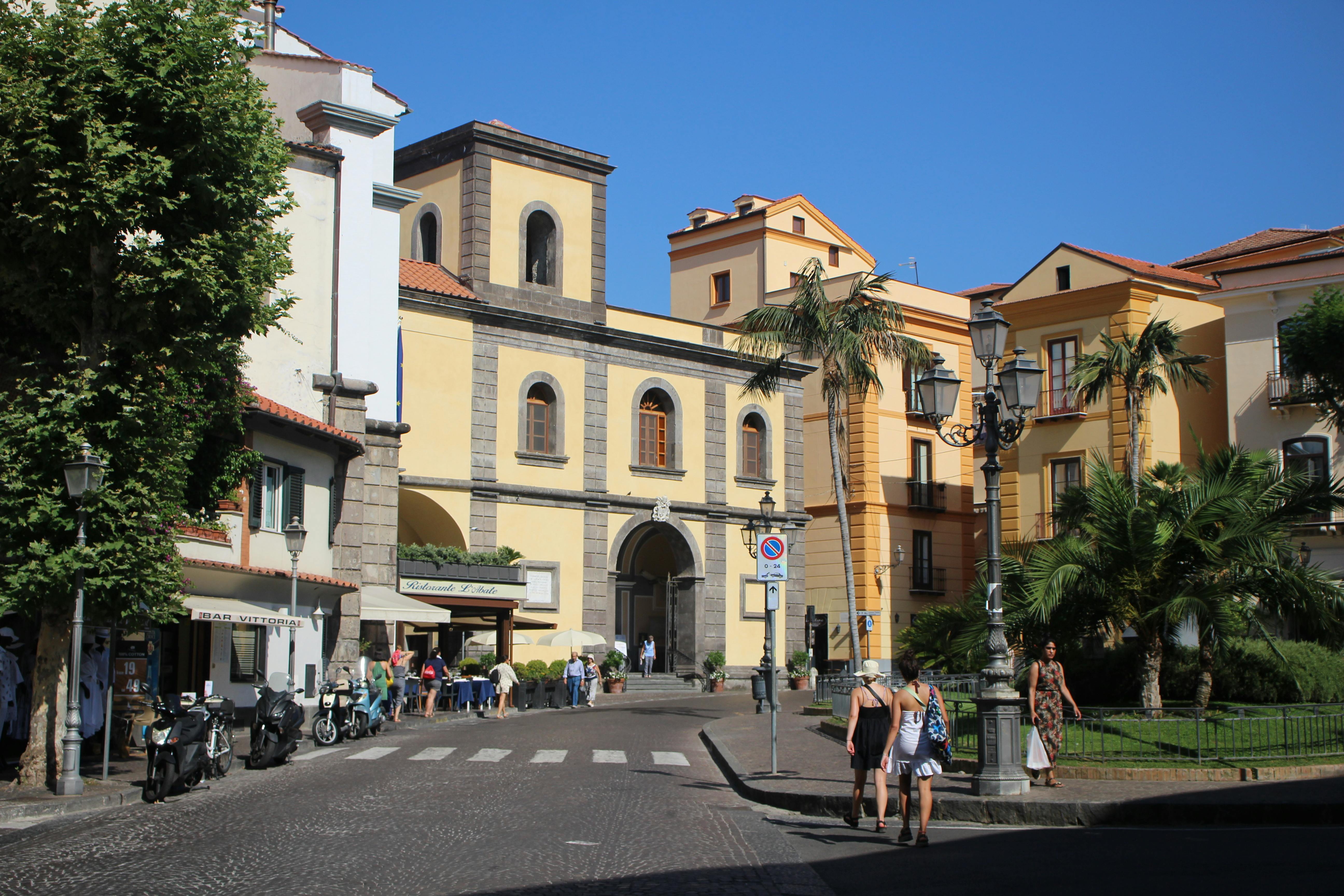
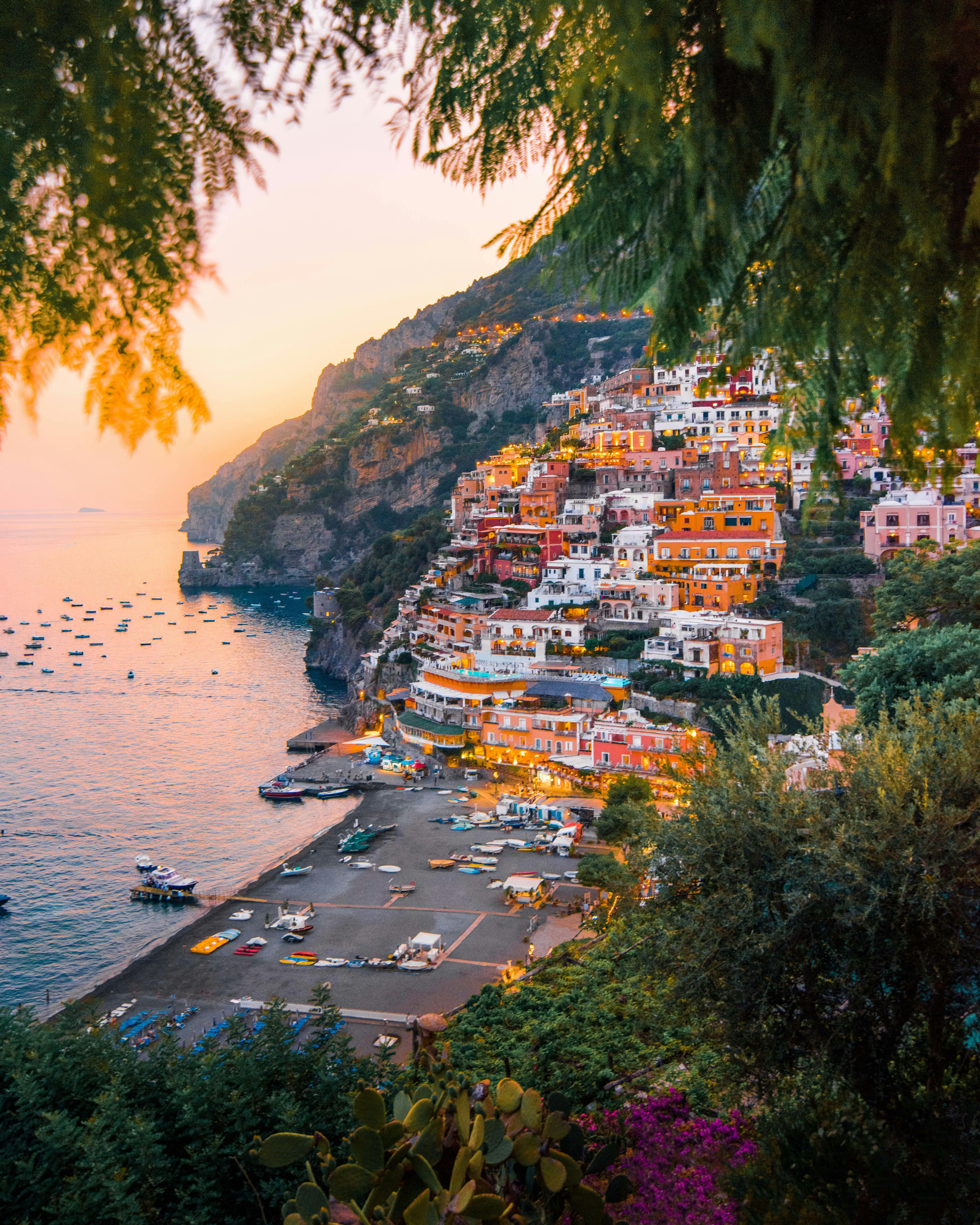
Sorrento is flat, walkable, has proper roads in and out, and sits at the entrance of the Amalfi Coast. Meaning every day trip is short and reversible. Positano is breathtaking but vertical, traffic choked in summer, and impossibly expensive to base yourself in for three nights. From Sorrento, you boat to Capri in 30 minutes, drive to Positano in 45, and you sleep in a town that still functions as a town when you come back tired at 7 PM. This is not a luxury choice, it is a strategic one. Our Sorrento hotels are all hand picked. Cliffside views, lemon grove terraces, breakfast with the Bay of Naples below.
Hydrofoil from Sorrento (30 min). Spend the morning in Capri town, lunch at Lo Sfizio in Anacapri, and take a private boat circumnavigation in the afternoon. Faraglioni stacks, the Blue Grotto if conditions allow, Punta Carena lighthouse for sunset. Hydrofoil back to Sorrento by 8 PM.
Self drive the Amalfi coast road early, leave by 8 AM to beat traffic. Coffee in Positano, swim at Spiaggia di Fornillo. Drive on to Amalfi town for lunch, try Marina Grande for seafood pasta with the sea three feet from your table. Up to Ravello in the late afternoon for the gardens of Villa Cimbrone (the Terrace of Infinity is exactly what it claims to be). Sunset there is one of the great experiences of any trip to Italy.
One of your three days here, plan nothing. Sleep in. Breakfast on the terrace. Walk down to Marina Piccola for a swim. Long lunch with limoncello. Read. Nap. This is the day that justifies the whole trip.
Spaghetti alle vongole (with clams). Linguine al limone (the Amalfi lemon is the size of a softball and sweet). Mozzarella di bufala campana, the only mozzarella worth eating, made the morning you eat it. Sfogliatella for breakfast. Limoncello after dinner, never before.
Villa Cimbrone's Terrace of Infinity in Ravello. Punta Carena lighthouse on Capri (the one place on the island that catches the western light). The cliff walk above Sorrento toward Marina Grande, with the bay turning rose pink. Each one is unforgettable in a different way.
Sorrento's Piazza Tasso is the heart of the evening, a slow passeggiata, gelato in hand. The harbourside in Marina Grande di Sorrento for an unhurried seafood dinner. Positano's beach front for golden hour spritzes if you head there in the late afternoon. We don't pre book your dinners, the joy here is wandering.
In peak season (June to September), Italy enforces an alternating plate rule on the SS163. Odd plates one day, even the next. Tour buses dominate. We always either drive you ourselves on the Amalfi day, or arrange a private driver. The road is too narrow, too busy, and too beautiful to be staring at brake lights.
Naples
Drive: Sorrento to Naples, about 50 km, 1.5 hours (with traffic). One last loud, unfiltered, gloriously real night. Naples is the original. The original pizza, the original espresso, the original Italian street life. Many travellers skip it. They are wrong.
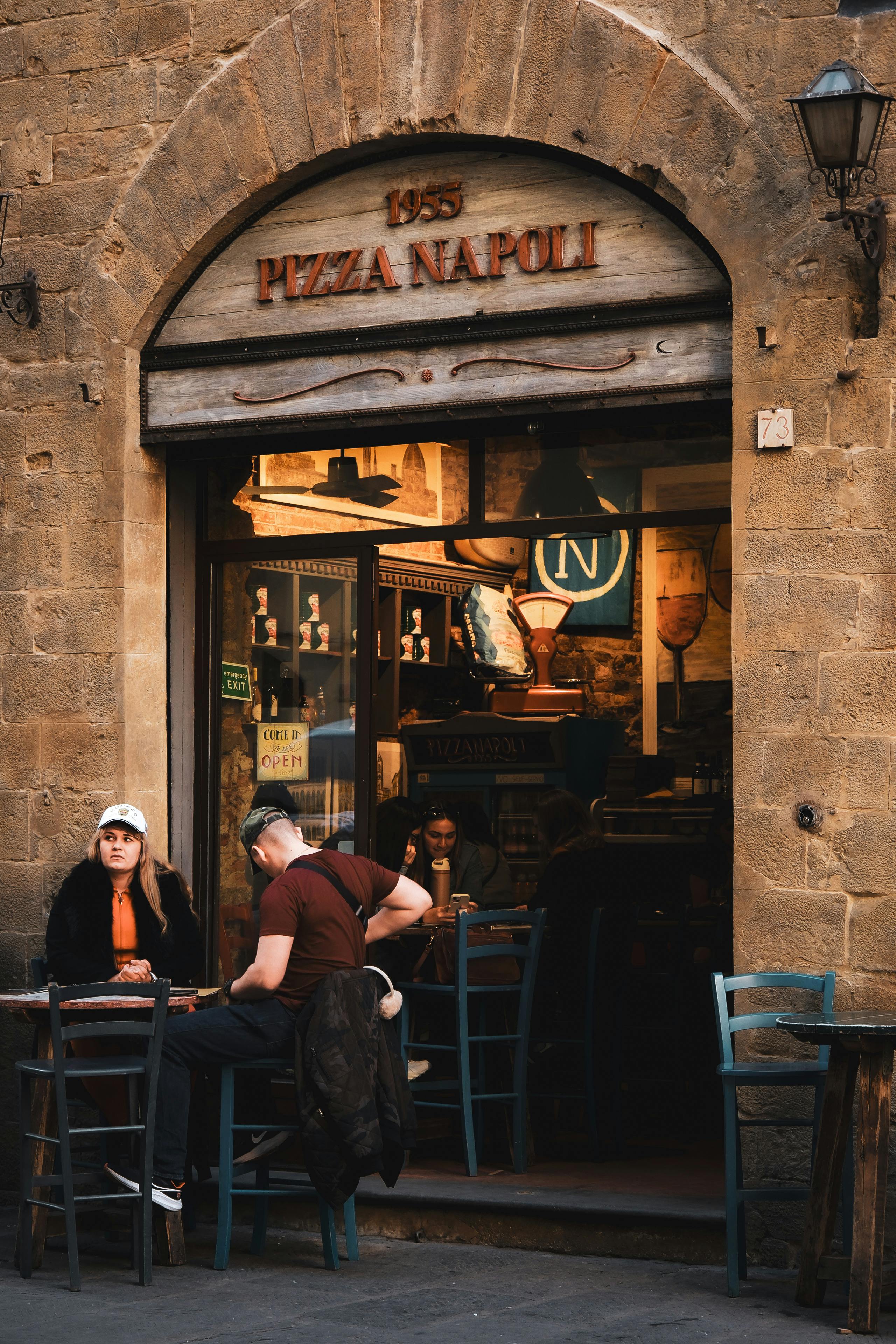
Pizza margherita at Da Michele or Sorbillo. Both are legendary, both have queues, both deserve them. The dough is wet, slightly charred, the mozzarella is fior di latte, and you eat it with a knife and fork because it cannot be picked up. Sfogliatella riccia for breakfast. Espresso at Gran Caffè Gambrinus. Caffè sospeso, the local tradition of paying for an extra coffee for someone who can't afford one.
Spaccanapoli, the dead straight Roman road that splits old Naples in half. Walk it from end to end. Stop in tiny shops selling presepe figurines, hand painted ceramics, and 90 year old bakeries. This is the city Italians mean when they say vedi Napoli e poi muori, see Naples and then die.
(Vedi Napoli e poi muori, an old saying that means once you've seen Naples, you can die happy. The point is that nothing afterward will compare.)
Ostuni
Drive: Naples to Ostuni, about 360 km, 4 hours, the longest single drive of the trip but the destination earns it. Stop for lunch in Bari old town along the way, walk the seafront, watch the women making orecchiette in the streets of Bari Vecchia, then push on to Monopoli for a coffee and a quick wander before reaching Ostuni for the night. Now Italy changes one final time. The white stone of the south, the turquoise Adriatic, olive groves a thousand years old. From your hilltop base in Ostuni, you reach Alberobello and Polignano a Mare in easy day trips, and you spend your evenings in one of the most beautiful white cities in the Mediterranean.
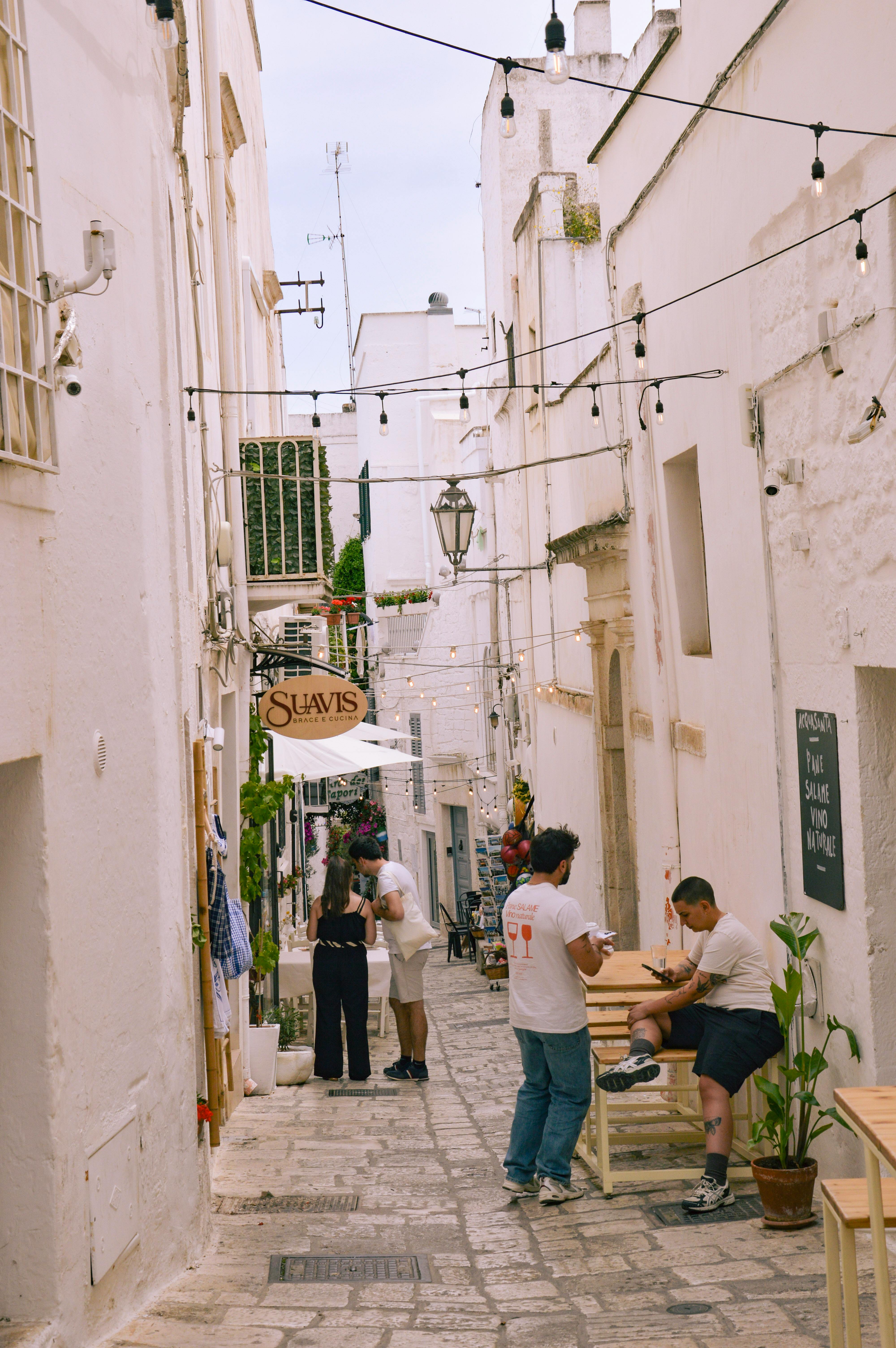
Ostuni sits on a hill, white washed against the sky, with views across olive groves to the sea. It is small enough to walk in fifteen minutes and beautiful enough that you'll want to walk it five times. Twenty minutes from Polignano, forty from Alberobello, a little over an hour from Lecce. We typically put you in a masseria just outside the walls, an old fortified farmhouse with a pool surrounded by olive trees, or a small boutique hotel inside the town itself.
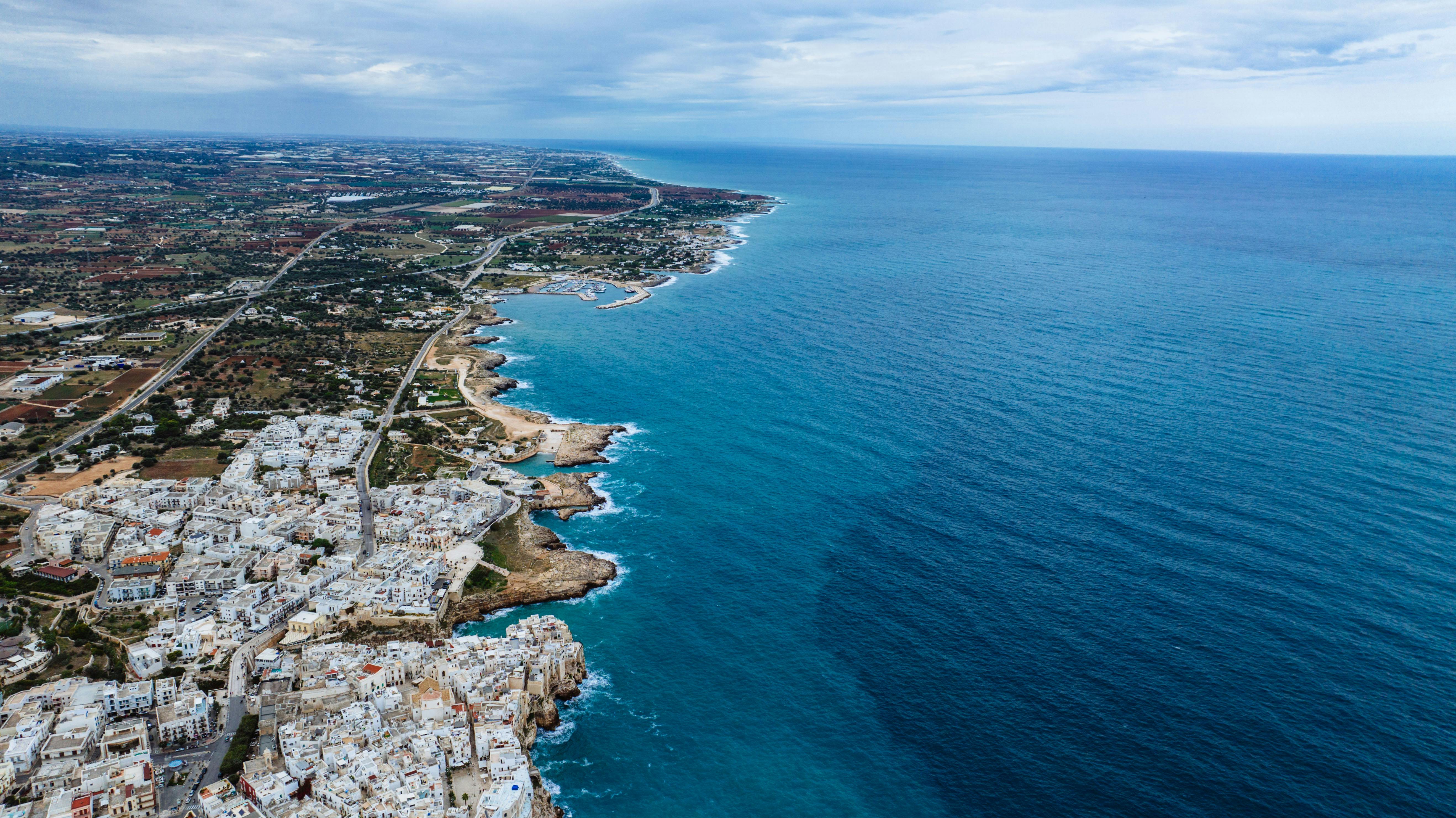
Start with Alberobello at 8 AM before the tour buses arrive. The trulli houses with their cone shaped stone roofs, about 1,500 of them, a UNESCO site that earns its title. Yes, it gets touristy by lunchtime, which is why we put you there early. Then drive twenty minutes to Locorotondo, perched on a hilltop, ringed in white houses, completely uncrowded. Lunch at a masseria, order the antipasto della casa and let them keep bringing things until you surrender. Drive back via Polignano a Mare in the late afternoon. The cliffs, the white houses falling toward the sea, a swim at Lama Monachile beach if the weather plays along. Sunset from the cliffs, glass of cold Verdeca in hand.
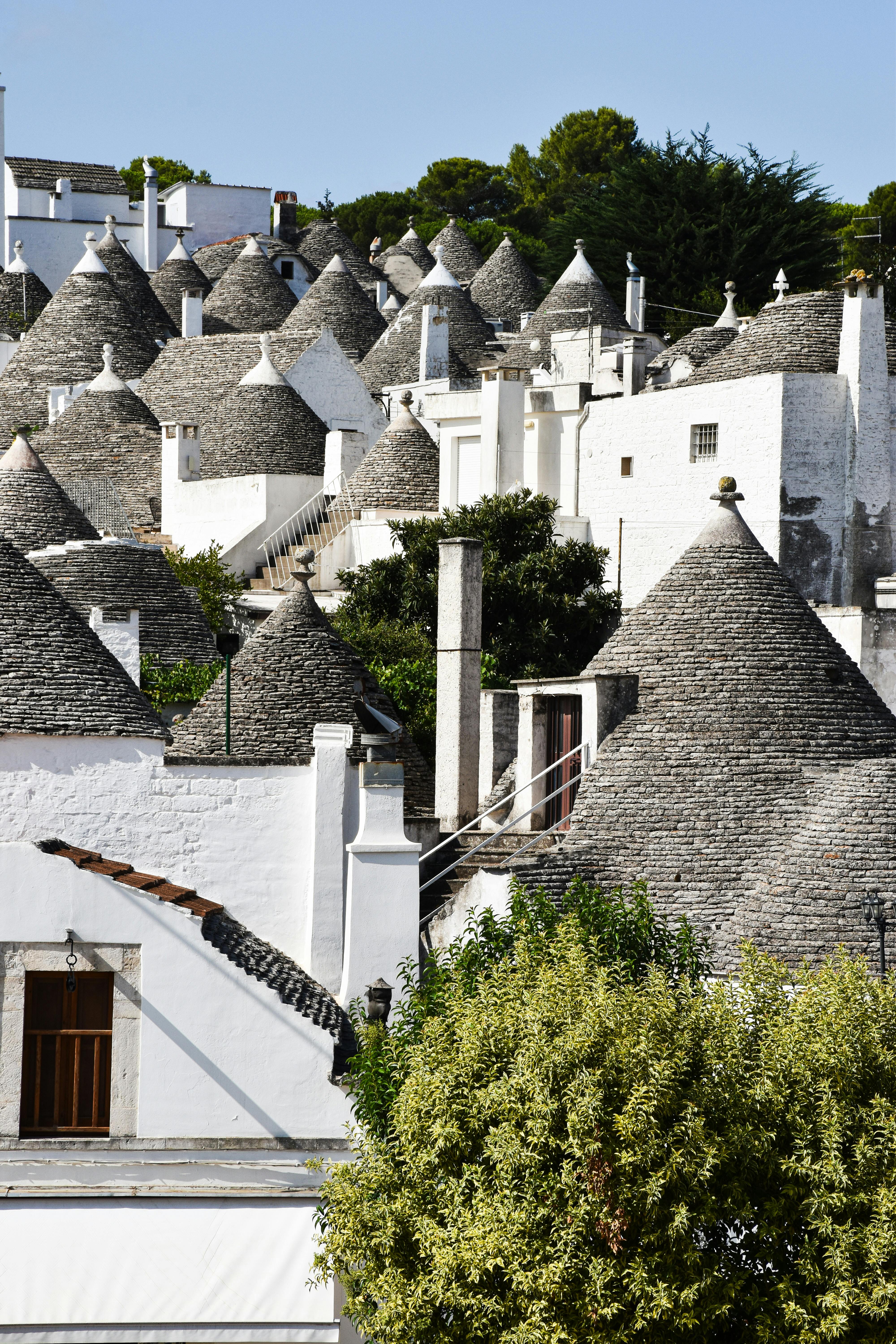
Sleep in. Breakfast on a terrace overlooking olive groves. Walk Ostuni's old town slowly, stop in ceramics shops, drink an Aperol Spritz in Piazza della Libertà. Late afternoon, drive to one of the nearby beaches, Torre Guaceto for the wild side, Rosa Marina for the family side. Back to Ostuni for dinner.
Orecchiette with cime di rapa (turnip greens), the dish of Puglia. Burrata from Andria, where it was invented, and where it tastes nothing like the supermarket version. Focaccia barese, thicker, oilier, with cherry tomatoes pressed into it. Caciocavallo cheese, aged. Primitivo and Negroamaro wines that taste like sun baked stone. Pasticciotto for breakfast, a small custard pastry that is the south's gift to the world.
The white lanes of Ostuni at night are something out of a film, lit by warm lamps, the smell of jasmine, distant music. The piazza fills slowly, families come out for the passeggiata, you eat outside under stone arches. Polignano's old town at sunset is equally good, and the seafood there is excellent. For something quieter, a masseria dinner in the countryside, a long table under the stars.
The cliff walk above Polignano a Mare. The roof of Ostuni's old town, looking out across olive groves to the Adriatic. The beach at Torre Sant'Andrea further south, with its sea stacks rising out of pink water at the last hour.
Matera
Drive: Ostuni to Matera, about 120 km, 1.75 hours. The cave city, carved out of soft tufa stone, lit at night like a fable. One night here is the right amount, enough to walk the Sassi (the ancient cave dwellings, now a UNESCO site) at sunset, descend into a rupestrian church, eat orecchiette at a small osteria, and wake up to the city in golden morning light from your cave hotel window. We typically put you in one of the converted cave hotels inside the Sassi themselves, sleeping in a 9000 year old space is the experience here.
The Belvedere Murgia Timone, across the canyon from the city, gives you the cinematic view of Matera glowing as the lights come on. The terrace of any of the cave hotels in the Sassi works beautifully too. Sit there with a glass of Aglianico, watch the city light up, and try to remember that you are still in Italy.
Drive: Matera to Bari airport, about 65 km, 1 hour. Drop the rental car. Direct flights to most European hubs and onward to India. You leave the way Italy taught you. Slowly.
The Things That Quietly Make This Trip
Look at the route again. Twenty two nights, eleven bases, a natural arc from north to south. There is no day where you are doing eight things. Every base earns its nights. Every region is given the texture of time, enough to hike, enough to eat slowly, enough to do nothing for a morning and not feel guilty about it.
Handpicked stays, every single night.
Twenty two beds we have personally vetted. Cliffside hotels in Sorrento. A masseria in Puglia where the owner makes burrata at 6 AM. A wood panelled rifugio in the Dolomites with red checked curtains. A cave hotel inside the Sassi of Matera. We don't recommend what we wouldn't put our own clients in, full stop.
Evenings are kept easy, on purpose.
We don't pre book your dinners because Italy's joy is in walking past three restaurants and choosing the fourth because something in the kitchen smells right. We give you the list of what we trust in each town, point you to the right neighbourhoods for the best evening atmosphere, and let you make your own night of it.
Self drive freedom, with the rules properly briefed.
A self drive Italy is the best value way to do this trip. But ZTLs in Florence, Rome, Milan, and Bologna will quietly destroy your budget if you don't know them. We give you a ZTL briefing pack a week before departure, with maps, garage bookings outside every city centre, and a 24/7 WhatsApp line to our Italy team in case you take a wrong turn.
The best on ground teams, region by region.
This is a self drive trip, but on the days when a guide changes everything, we have the best people. A truffle hunter in Tuscany. A pizza maker in Naples who will let you behind the counter. A boatman in Capri who knows where the dolphins come at sunrise. A nonna in Puglia who will teach you orecchiette by hand. These people are why we have spent over a decade doing this, and they are how a trip becomes a memory.
Weather and season, considered properly.
May, late September, and October are our favourite months for this exact route. The Dolomites are walkable. Tuscany is golden. The south is warm without being punishing. We will tell you honestly when not to go. Italy in August is for Italians, and even they are at the beach.
What Italy Asks of You
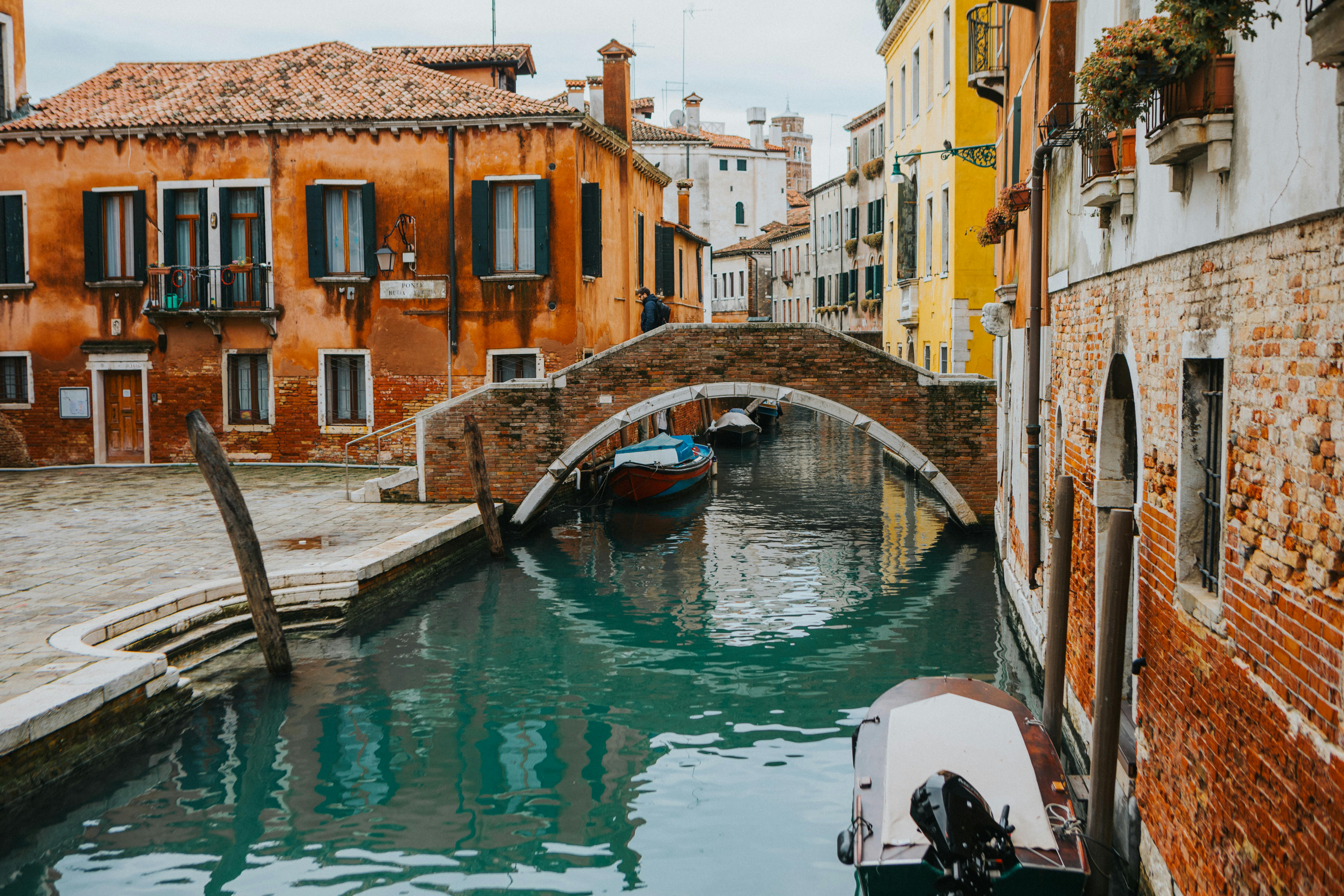
Italy asks for time. It asks for hunger. It asks that you arrive without a list of countries to tick off afterwards. It asks for evenings, not just mornings. It asks that you walk slowly, eat slowly, and let the light do half the work.
Give it that, and it gives you everything. Twenty two days that will quietly become the trip you measure all future trips against.
Don't dilute it with a Paris stopover. Don't bolt Switzerland onto the front. Don't try to see Greece on the way. Italy is not a country you combine.
Italia è un paese in cui ti immergi.
(Italy is a country you fall into.)
If something in this piece moved you, if you read this and thought yes, this is the trip I want, fill in the form below. Tell us a little about your dates and your group. Tell us if you'd like us to plan the same circuit, or shape it differently around your time and pace. We'd love to hear from you.
A presto.
(See you soon.)
Did this feel like the trip you've been waiting for?
If you loved this circuit and would like us to plan something similar (or shape it your own way), leave your details below. We'll be in touch soon.
Or, if you'd rather just talk.
Pick a slot on our Calendly. A free, 30 minute conversation about your dates, group, and what you actually want this trip to feel like. No pressure, no pitch.
Book a 30 min CallNo cold calling. No sales pitch. Just two travellers, talking.